Spices, Ships, and Hops: How Global Trade History Is Reshaping What's in Your Pint
Somewhere in the late 1400s, a ship left port carrying the promise of spices, dyes, and ingredients that Europeans had never tasted. The mission was profit, sure, but underneath all of it was something more primal: the hunger to find something new. That spirit—equal parts curiosity and ambition—feels surprisingly familiar when you're standing in a brewery on the Central Coast, staring at a sack of coriander from Morocco and a shipment of New Zealand hops.
Craft brewing has quietly become one of the more adventurous corners of the food world. And a growing number of breweries, including our own, are tracing the outline of those old trade routes in unexpected ways.
The Ingredient Map Keeps Expanding
For most of beer's modern history, the ingredient list was pretty predictable: water, malt, hops, yeast. German purity laws practically made it a legal requirement. But contemporary craft brewers have blown that formula wide open, and the sourcing geography has gotten genuinely global.
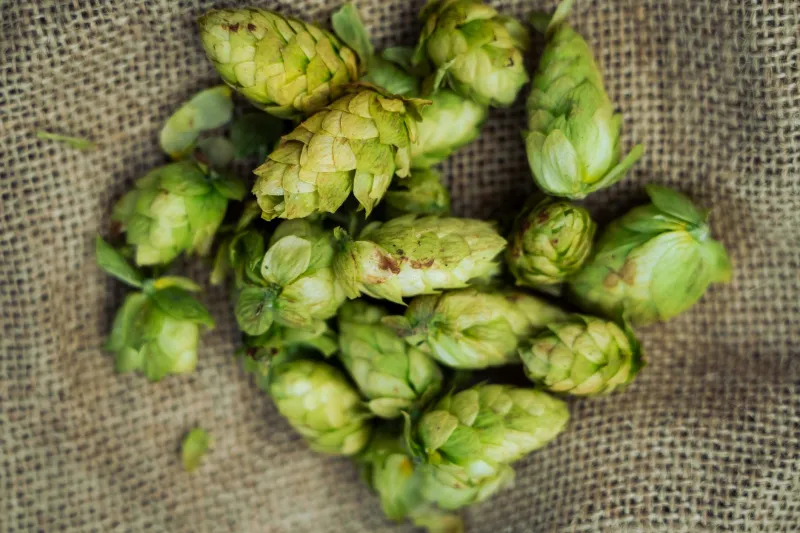
Breweries across the country are working with grains from heritage farms in Eastern Europe, citrus peel from West African suppliers, spices that once would have required a merchant fleet to acquire. At Santa Maria Brewing Co., we've experimented with Australian Galaxy hops, South African Citra alternatives, and locally grown Central Coast botanicals that you'd never find in a standard homebrew shop catalog.
There's real creative energy in that kind of reach. When a brewer gets their hands on a rare variety of cardamom or a specific strain of wild-fermented honey, the result can be something genuinely unlike anything a drinker has encountered before. That's the Age of Exploration logic applied to a 16-ounce pour—and it works.
Collaboration Without Borders
The ingredient trail is only part of the story. Some of the most interesting developments in American craft brewing right now involve actual human collaboration across time zones.
Breweries in Belgium, Japan, and Scandinavia have long been considered the creative vanguard of the global beer scene. What's changed is that American craft breweries—including smaller regional operations like ours—are increasingly entering into genuine creative partnerships with those counterparts. Not just licensing a recipe or copying a style, but actually co-developing something new.
We've had early conversations with a small farmhouse brewery in the Basque Country about a collaborative saison that would blend their house culture with Central Coast wine grapes. Nothing's finalized, and honestly that's part of the fun. The process of imagining what a beer could be, across languages and brewing traditions, is its own kind of discovery.
Other American craft breweries have gone further—hosting international brewer residencies, shipping yeast cultures back and forth, or building recipes around trade relationships with small-scale ingredient producers in places that rarely show up on a hop merchant's standard catalog.
The Tension Worth Talking About
Here's where it gets complicated, and we'd rather talk about it directly than pretend the tension doesn't exist.
A brewery that calls itself rooted in place—that builds its identity around Central Coast water, Central Coast agriculture, and Central Coast community—has to ask some honest questions when it starts importing specialty ingredients from six different countries. Is that exploration, or is it just novelty shopping with a better story attached?
We don't have a clean answer. What we do believe is that global sourcing and local identity aren't automatically in conflict, but you have to be intentional about the balance. When we use a rare imported ingredient, we try to make sure it's doing something in the beer that nothing local could accomplish—not just providing an exotic label callout. And we stay committed to building the local supply chain whenever a Central Coast grower or producer can meet the need.
Responsible global sourcing in craft brewing also means paying attention to the same things any ethical food business should: fair trade relationships, transparent supply chains, and an honest accounting of environmental cost. Shipping specialty hops from New Zealand has a carbon footprint. That doesn't mean it's never worth doing, but it should be a conscious choice, not an afterthought.
What the Old Explorers Got Right (And Wrong)
The Age of Exploration is a complicated legacy. The same voyages that connected the world's flavor profiles also enabled tremendous harm. We're not romanticizing that history—we're borrowing the metaphor of curiosity and leaving the conquest part behind.
What's worth keeping is the underlying drive: the refusal to accept that what already exists is all there is. That's genuinely useful in a brewery. It's what pushes a brewer to try fermenting with a wild yeast strain they captured from a Santa Maria Valley vineyard, or to ask whether a historic trade spice might do something interesting in a dark ale.
The best version of global inspiration in craft brewing looks like genuine exchange—learning from other traditions, paying fairly for rare ingredients, and being honest with your drinkers about where things come from and why. It's less about planting a flag and more about building a longer table.
A Pint That's Gone Places
Next time you pick up a beer that lists an ingredient you have to look up, take a second with it. That coriander seed, that particular hop variety, that unusual grain—it probably traveled a long way to end up in your glass. There's a whole supply chain, a set of relationships, and a brewer's deliberate decision behind it.
At Santa Maria Brewing Co., we think that context makes the beer taste better. Not because exotic equals superior, but because understanding where things come from deepens the experience of drinking them. That's a lesson the old trade routes figured out a long time ago.
We're still learning how to apply it well. But that's kind of the point.