Less Buzz, More Beer: The Rise of the Session Craft Movement
For a long time, the unofficial scoreboard of craft beer was pretty simple: higher ABV meant more serious, more impressive, more worth paying attention to. Double IPAs at 8.5%. Imperial stouts that read like a liquor store. Barrel-aged everything, stacked with booze and complexity and a price tag to match.
That era isn't over. But something has shifted noticeably in the last few years, and you can feel it in taprooms up and down the Central Coast. More and more drinkers—including some of the most knowledgeable, enthusiastic craft fans around—are reaching for the 4.2% pale ale. And they're not apologizing for it.
When 'Sessionable' Stopped Being a Consolation Prize
For a while, 'sessionable' was almost a polite way of saying a beer wasn't trying that hard. Low alcohol implied low ambition. The real craft was in the big stuff.
That framing has aged poorly. The truth is that brewing a genuinely satisfying beer at lower alcohol levels is technically demanding in ways that high-ABV brewing often isn't. When you're working with a big imperial stout, the malt backbone and elevated alcohol can carry a lot of weight. Pull those crutches away and brew a 3.8% session lager or a 4.5% English bitter that actually tastes complete and interesting? That's a different kind of skill.
We've felt that challenge firsthand at Santa Maria Brewing Co. Some of our most labor-intensive recipe development has gone into lower-ABV offerings, precisely because there's nowhere to hide. The water chemistry has to be dialed in. The hop timing matters more. The yeast character becomes central rather than supporting.
What Local Bartenders Are Seeing
We talked to a few bartenders who pour craft beer regularly in the Santa Maria area, and the picture they described was pretty consistent.
"Three years ago, someone asking for 'something lighter' usually meant they wanted a macro lager," said one bartender who works a regular Friday shift at a downtown Santa Maria restaurant. "Now I get craft regulars specifically asking what we have under 5%. They know what they want, and it's not a light beer in the old sense—they want flavor, they just don't want to be wrecked after two."
Another bartender at a spot near the fairgrounds echoed that: "The weeknight crowd especially. People are drinking after work, they've got things to do tomorrow. They want to enjoy two or three beers, not nurse one massive thing all night."
This isn't a California-only trend. Beer industry data nationally has shown sessionable styles gaining consistent market share, with craft drinkers increasingly treating lower-ABV options as a sophisticated choice rather than a compromise. The Athletic Brewing effect—where a non-alcoholic craft brewery built a massive following among people who simply wanted to drink thoughtfully—has signaled something real about changing preferences.
The 'Bigger Is Better' Hangover
It's worth understanding how we got here. The craft beer boom of the 2000s and early 2010s was partly a reaction to decades of watery, flavorless mass-market beer. Craft brewers overcorrected—gloriously, in many cases—by going as big and bold as possible. West Coast IPAs, then double IPAs, then hazy doubles. Pastry stouts. Milkshake IPAs. It was an arms race of intensity, and it produced some genuinely great beers.
But it also created a culture where alcohol content became a proxy for quality, which was never quite right. A 10% beer isn't automatically better than a 4.5% beer. It's just different. And for a lot of drinking occasions—a long afternoon, a weeknight out, a round with friends where the conversation matters as much as the beer—the lower-ABV option is actually the better fit.
The pendulum is swinging back, and craft brewers who saw it coming have a head start.
How We Approach Lower-ABV at Santa Maria Brewing
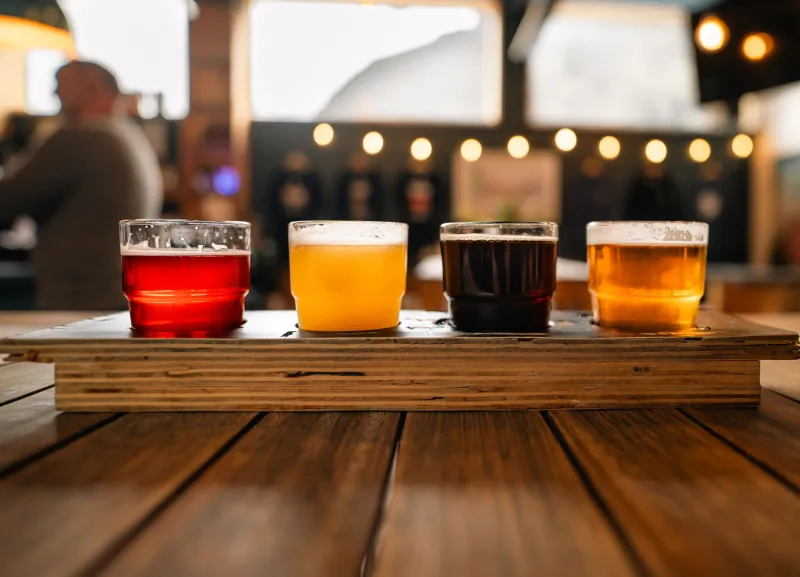
We've been building out our sessionable lineup with the same attention we'd give any flagship release. A few things we've learned:
Malt selection is everything. In a lower-ABV beer, the malt profile has to do real work without getting heavy. We've spent a lot of time with lighter specialty malts that add character—a little biscuit, a little toastiness—without loading up the body.
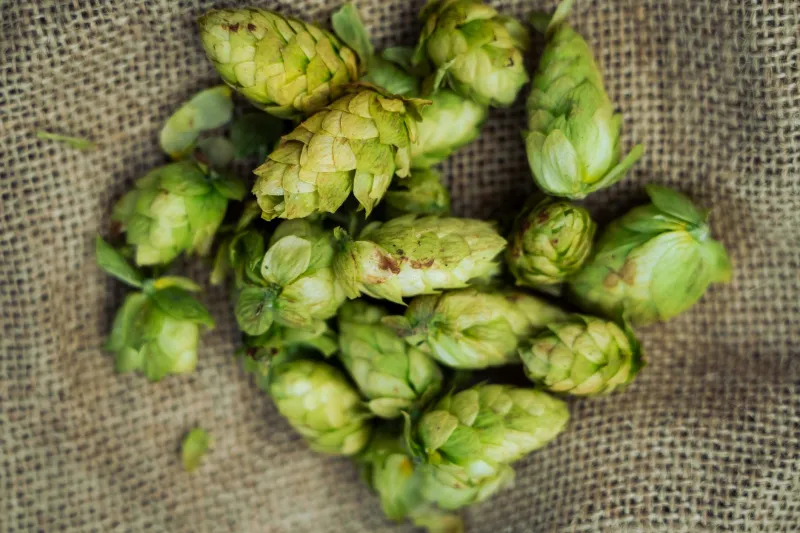
Hop presence can compensate for gravity. A well-hopped session pale ale can feel surprisingly full and engaging even at 4.3%. The aroma does a lot of the heavy lifting that alcohol would otherwise provide.
Yeast matters more, not less. In a big beer, yeast character sometimes gets buried. In a session beer, it's front and center. We've been experimenting with strains that contribute subtle fruit esters or a clean, crisp finish—character that makes the beer feel intentional rather than stripped down.
The goal is never to make a lower-ABV beer that tastes like a watered-down version of something else. It should taste like exactly what it is: a beer designed to be drunk and enjoyed fully, without the expectation that you'll stop after one.
Permission to Enjoy Beer Differently
Here's the thing we want to say clearly: there's no wrong way to be a craft beer fan. If you love barrel-aged stouts and you want to work through a 12-ounce pour of something at 11% ABV while you read the tasting notes on the label, that's great. We've got beers for that too.
But if you've ever felt vaguely sheepish about ordering the lower-ABV option at a craft taproom—like you were somehow less serious as a drinker—we'd like to officially let you off the hook. Knowing what you want, drinking at a pace that lets you actually taste and enjoy multiple beers, choosing something that fits your afternoon rather than derailing it? That's not a compromise. That's just good judgment.
The session craft movement isn't about drinking less. It's about drinking smarter, and demanding that brewers put just as much care into the 4% beer as the 9% one.
We're working on it. Come taste what we've been up to.