Smoke, Oak, and Open Flames: How Santa Maria BBQ Became the Soul of Our Brewery
Photo: Didier Descouens, CC BY-SA 4.0, via Wikimedia Commons
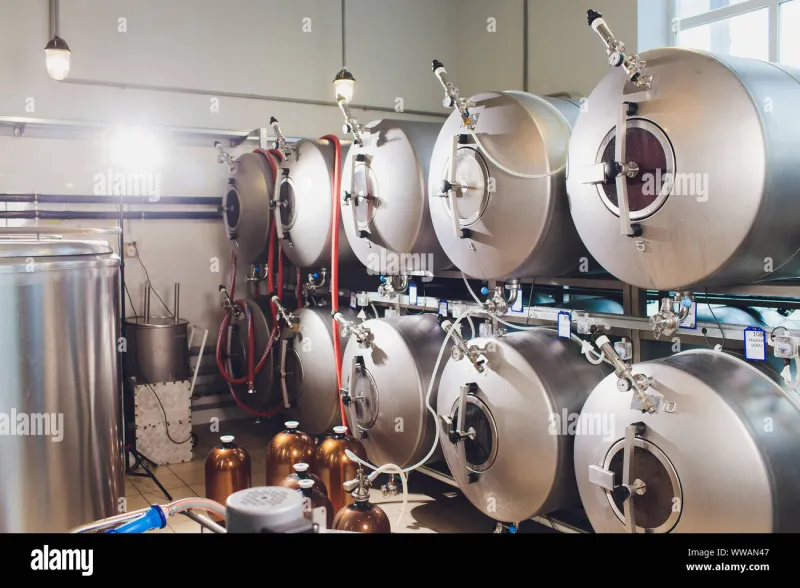
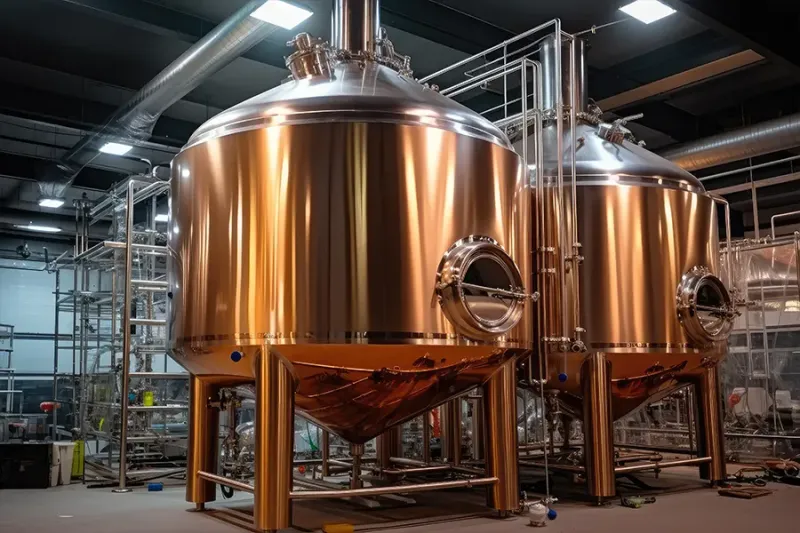
There's a moment — if you've ever stood near a Santa Maria-style barbecue pit — where the smoke lifts off the red oak and you just stop talking. The smell does something to you. It's earthy, slightly sweet, unmistakably bold. It smells like this place. And honestly? That's the same feeling we're chasing every time we crack open a fermenter or pull a barrel sample in our brewery.
Santa Maria-style barbecue is one of the most distinctly Californian culinary traditions in existence, and it belongs entirely to this corner of the Central Coast. Tri-tip over red oak coals. Simple seasoning — salt, pepper, garlic. No sauce. No shortcuts. Just time, heat, and wood doing exactly what they're supposed to do. If that philosophy sounds familiar to anyone who's read about how we approach our barrel-aging program, well, that's not a coincidence.
A Tradition Older Than Any Craft Brewery
Santa Maria-style BBQ traces its roots back to the 19th century, when California rancheros would slow-cook beef over open pits during roundups and community gatherings. The style eventually formalized around the mid-20th century, with local restaurants and families passing down techniques that prioritized the quality of the wood and the cut of the meat above everything else. It's a cooking tradition built entirely on restraint and trust in the process.
What strikes us most about that history isn't just the food — it's the context. These were events. People gathered not just to eat, but to be together. The pit was the centerpiece, and the hours it took to cook were the point. Nobody was rushing anywhere. That communal patience, that willingness to let something take as long as it takes, is woven into the DNA of this region. And whether we realized it consciously or not, it's woven into ours too.
Red Oak and Beer: More in Common Than You'd Think
Here's something that might surprise you: the red oak that's synonymous with Santa Maria BBQ is the same aromatic foundation we think about when we're selecting barrels for our aged beers. Oak imparts character. It softens edges. It adds layers of vanilla, a whisper of tannin, sometimes a gentle smokiness that you can't manufacture — you can only coax out through time.
When we barrel-age a strong ale or a stout, we're doing something structurally similar to what a pitmaster does when they set up a slow cook. You prep everything carefully, you introduce the right wood influence, and then you step back. You check in. You adjust. But mostly, you trust the process and let time do the heavy lifting. Pull it too early and you've wasted the potential. Leave it too long and you've gone past the moment. Getting it right is as much intuition as it is science.
That parallel isn't lost on us. It's actually something our brewing team talks about openly — the idea that patience isn't just a virtue in this craft, it's the craft itself.
Flavor as a Reflection of Place
Santa Maria BBQ tastes like this place because it uses what this place has always had: exceptional beef from Central Coast ranches, red oak from local hillsides, and a dry, sun-baked climate that's been shaping outdoor cooking culture for over a century. There's no secret ingredient you can import. The flavor is geographic.
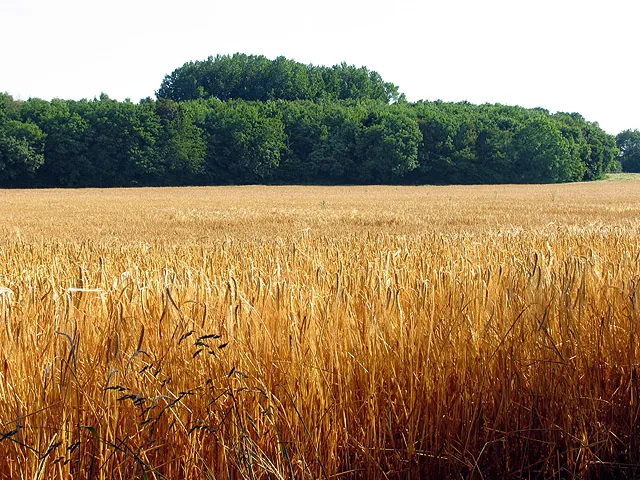
We feel the same way about our beers. When we source barley from Central Coast growers, or when we talk about how our local water chemistry shapes the finish on a pale ale, we're describing the same phenomenon. The land gets into the product. The region expresses itself through what's made here. That's not marketing language — it's something you can taste if you pay attention.
This is why we've always felt that a cold pint of our beer and a plate of Santa Maria tri-tip aren't just compatible — they're complementary in a deeper sense. They're both expressions of the same place, made by people who take the long way around because they believe it's worth it.
Gathering Around Something Real
One thing the BBQ tradition gets absolutely right is its insistence on community. You don't do a Santa Maria-style cook for one person. The pit demands an audience. It rewards a crowd. The whole thing is designed around the idea that good food and good company are inseparable, and that the best meals are the ones where nobody's checking the time.
That's the vibe we try to bring to everything we host at the brewery. Whether it's a weekend tap room afternoon, a seasonal release event, or one of our outdoor gatherings where we fire up the grill and pour fresh pints, we're trying to recreate that same feeling — that unhurried, present, this-is-exactly-where-I-should-be feeling that a great barbecue creates.
Craft beer, at its best, does the same thing. It gives people something to talk about, something to taste together, something to slow down over. A hazy IPA with bright citrus notes or a smoky porter that lingers long on the finish — these aren't drinks you throw back and move on from. They're conversation starters. They're the thing on the table that makes the gathering feel intentional.
Honoring the Tradition by Living It
We're not trying to bottle Santa Maria BBQ (though if someone figures out how to do that, we'd love to talk). What we're doing is taking the values embedded in that tradition — patience, craft, community, a deep respect for local ingredients — and applying them to how we brew and how we operate.
Every time we let a barrel sit for another month because it's not quite there yet, we're honoring the pitmaster who doesn't pull the tri-tip until it's ready. Every time we open our doors for an event and set the intention that people should linger, we're honoring the ranchero tradition of gathering around something worth gathering around.
Santa Maria gave us more than a location. It gave us a philosophy. And every pint we pour is, in some small way, a thank-you for that.