Pack a Cooler, Plan a Route: Why the Central Coast Is America's Next Great Beer Travel Destination
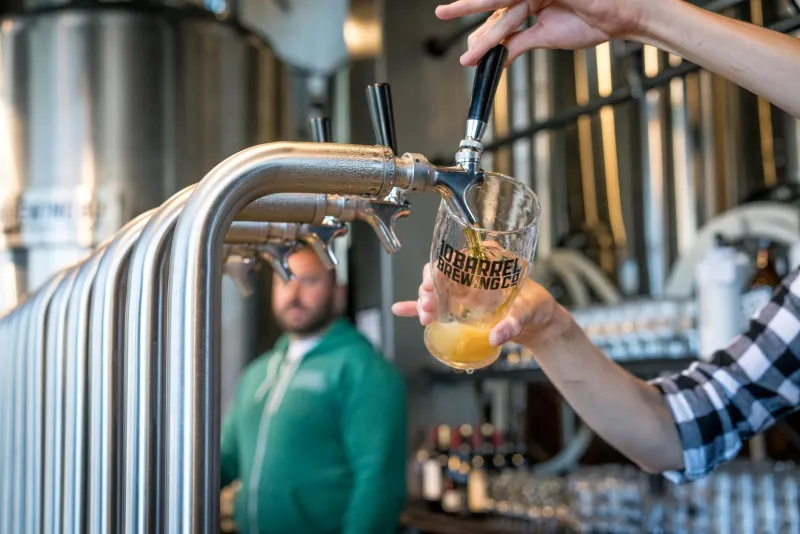
For a long time, the Central Coast of California was what you drove through on your way somewhere else. You'd blow past San Luis Obispo on the 101, maybe stop for gas in Santa Maria, and keep pushing toward Los Angeles or San Francisco. The coast was a backdrop, not a destination.
That's changing fast.
A new kind of traveler is slowing down, pulling off the highway, and spending real time here — not just for the wine country that's always drawn visitors to the region, but for the craft beer scene that's been quietly maturing alongside it. And at the center of that shift is a growing recognition that places like Santa Maria Brewing Co. aren't just somewhere to grab a cold one. They're windows into a place, a culture, and a way of doing things that you simply can't find anywhere else.
Why Beer Tourism Is Booming Right Now
The Brewers Association has tracked beer tourism as a rising segment for several years running, and the numbers back up what anyone who's visited a well-rooted craft brewery already knows intuitively: people don't just want to drink good beer. They want to understand where it comes from.
Visiting a winery has been a legitimate vacation anchor for decades. You show up, you learn about the terroir, you taste the product in context, and you leave with a story to tell. Craft breweries are finally earning that same status — especially the ones that take the "rooted in place" idea seriously rather than treating it as marketing copy.
What makes the Central Coast particularly compelling for beer travelers is the same thing that makes it exceptional for agriculture: the climate, the water, the soil, and the community are genuinely distinctive. When a brewery here talks about using local ingredients or drawing on regional water chemistry, it's not a gimmick. You can taste the difference, and visiting in person makes that difference legible in a way that no bottle label ever could.
What Sets a Destination Brewery Apart from a Tasting Room
There's a meaningful distinction between a brewery that happens to have a tasting room and a brewery that functions as a destination. The former pours beer in a space attached to the production floor. The latter gives you a reason to build your whole day — or your whole weekend — around showing up.
At Santa Maria Brewing Co., the goal has always been the second thing. That means being embedded in the local agricultural calendar, sourcing ingredients from Central Coast farmers, and letting the character of Santa Maria's water and growing conditions show up in the glass. When you visit, you're not just sampling a product. You're tasting a place.
It also means the experience extends beyond the bar. The conversations you have here — with the people pouring, with other regulars, with whoever happens to be sitting next to you — tend to go somewhere. People want to talk about where the hops came from, what's releasing next month, how the current batch compares to the last one. That kind of engagement doesn't happen by accident. It happens because the brewery has made itself genuinely worth talking about.
Building a Central Coast Beer Trip Worth the Drive
If you're planning a Central Coast trip with craft beer as the anchor, a little structure goes a long way. Here's how to think about it.
Give yourself more than an afternoon. The best brewery visits aren't rushed. Plan to spend at least a full day in Santa Maria, with time to explore the surrounding area before or after you settle into the taproom. The farmers markets, the agricultural backroads, the coastline — all of it adds context to what you're drinking.
Time your visit around the brewing calendar. Seasonal releases and limited batches are a real part of what makes a Central Coast brewery worth visiting. Check what's currently on tap before you go. A fresh harvest ale in the fall or a winter barrel-aged release hits differently when you're drinking it in the place where the ingredients were grown.
Eat like a local. Santa Maria has its own distinct food culture, and the famous Santa Maria-style barbecue is a natural companion to the beers we brew. Don't just grab a snack at the bar — build your trip around the food scene. The pairing potential here is serious, and eating at the places locals actually go deepens the whole experience in ways that are hard to quantify but easy to feel.
Talk to the people behind the beer. One of the genuine advantages of visiting a smaller, community-rooted brewery is access. The folks who designed the recipes, sourced the ingredients, and dialed in the fermentation process are often right there. Ask questions. The answers are usually interesting.
Plan a route, not just a stop. The Central Coast has a growing number of quality craft breweries, and they tend to complement rather than duplicate each other. A well-planned route that hits two or three spots across a weekend gives you a richer picture of what this region is doing with beer — and makes for a much better story to bring home.
The Deeper Pull of Going to the Source
There's something that happens when you drink a beer in the place where it was made, using water from the local aquifer and ingredients grown in nearby fields. The beer tastes the same as it would in a bottle shipped to your door — and also completely different. Context is flavor. Place is an ingredient.
That's the real argument for beer tourism, and it's why the Central Coast is becoming a destination worth planning around rather than a stretch of highway you blow through on the way to somewhere else. The breweries here are telling stories about a specific place at a specific moment in time. The best way to hear those stories is to show up.
We built Santa Maria Brewing Co. to be a place worth visiting — not just a place worth drinking from. If you've been looking for a reason to finally make the drive down the 101 and spend some real time on the Central Coast, consider this your invitation. The beer will be cold, the conversation will be good, and the place itself will do the rest of the talking.