Beyond the IPA Bubble: How to Find the Beers You Didn't Know You Were Missing
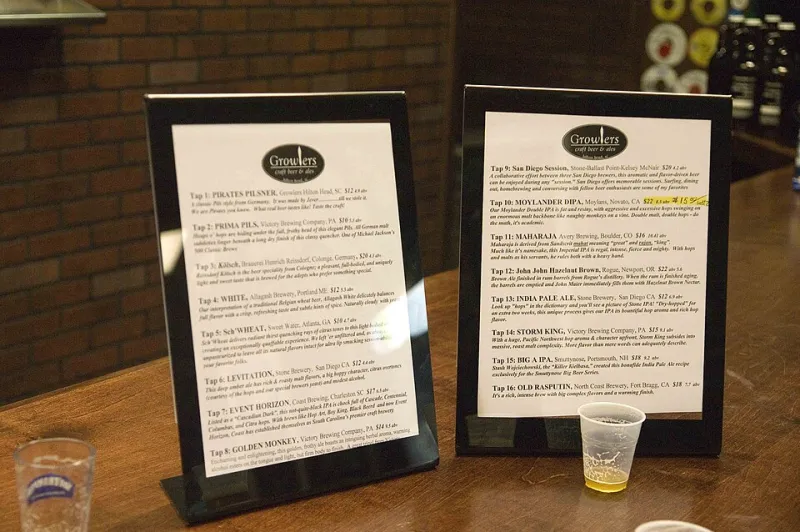
Photo: TheDigitel Beaufort from Beaufort, SC, USA, CC BY 2.0, via Wikimedia Commons
The Comfort Zone Problem
There's nothing wrong with knowing what you like. If you've found a hazy IPA that makes you happy every single time, that's genuinely a win. But here's the thing — a lot of beer drinkers get so comfortable in one corner of the flavor map that they never realize how much territory they're leaving unexplored.
We see it at the taproom all the time. Someone walks up to the bar, glances at the board, and immediately asks, "Which one's most like an IPA?" And look, we'll always have an answer for that. But we also love the moment when we can gently nudge someone toward something they've never tried — and watch their face change when it actually clicks.
Craft beer discovery isn't about abandoning what you love. It's about building a bigger vocabulary around what you love, so you can speak more fluently about flavor, texture, and experience. Think of it less like switching teams and more like learning a few new languages.
Start With What You Already Know
The smartest way to branch out isn't to leap straight into a sour lambic if you've been drinking West Coast IPAs for five years. It's to use your current favorites as a compass.
Love hoppy, bitter beers? That bitterness you're drawn to probably isn't just about hops — it might be about contrast. A dry Irish stout has a completely different bitterness profile, roasty and almost coffee-like, but it scratches a similar itch for people who like their beer to have an edge. Try one side by side with your usual IPA and pay attention to where the bitterness lands on your palate — front of the tongue, back of the throat, lingering finish.
If you're more of a malt-forward person — someone who gravitates toward amber ales or brown ales — the next logical move might be a Vienna lager or even a dunkel. These styles let the grain do the talking without overwhelming sweetness, and they tend to win over people who think they "don't like dark beer."
The point is: your existing preferences are data. Use them.
The Four Questions Worth Asking at Any Taproom
We genuinely love when someone walks up and asks us something specific. It tells us they're engaged, and it helps us point them toward something that'll actually resonate. If you're visiting any taproom — ours or anyone else's — here are four questions that'll get you further than "what's good?"
1. What's the malt bill doing in this one? Malt is the backbone of almost every beer, and understanding whether a beer is built on pale malt, crystal malt, roasted barley, or wheat can tell you a lot about the flavor before you even take a sip.
2. What fermentation character am I going to taste? Yeast is wildly expressive. A Belgian witbier and an American wheat beer can look almost identical in the glass but taste completely different because of the yeast strain. Asking about fermentation gives you insight into fruity esters, spicy phenols, or clean neutrality.
3. Is this beer meant to be sessionable or is it built for slow sipping? Alcohol by volume matters more than people think — not just for how it affects you, but for how it shapes the drinking experience. A 4.5% Czech pilsner and a 9% imperial stout both deserve your full attention, but in completely different contexts.
4. What food would you put next to this? This one's sneaky useful. The way a brewer thinks about food pairing reveals a lot about how they think about balance and flavor. If the answer makes you hungry, you're probably holding something worth your time.
Building a Personal Beer Repertoire
Here's a framework we'd actually recommend if you're serious about developing your palate. Think of it like building a playlist — you want range, you want some familiar anchors, and you want a few tracks that surprise you.
Your anchor beer — This is your comfort style. The thing you order when you just want something reliable. Keep it. Love it. But know why you love it.
Your contrast beer — Pick one style that sits on the opposite end of the spectrum from your anchor. If your anchor is hoppy, go for something malt-driven. If your anchor is light and crisp, try something with more body and complexity. Drink it slowly, without judgment.
Your seasonal experiment — Every season brings ingredients and conditions that inspire different styles. In the fall, we lean into darker, richer brews that reflect the harvest energy of the Central Coast. In summer, lighter, tart, and refreshing styles take center stage. Let the time of year guide one beer choice per season.
Your wild card — Once a month, order something you genuinely don't understand. A Gose you've never heard of. A smoked porter. A farmhouse saison. You might not love it. But you'll learn something.
Tasting Intentionally (Without Being Weird About It)
You don't need a scorecard and a vocabulary list to taste beer intentionally. You just need to slow down for about thirty seconds before you start drinking.
Look at the color and clarity. Take a sniff before the first sip — your nose picks up more than your tongue can. When you do sip, let it sit on your palate for a moment. Notice what hits first, what develops in the middle, and what the finish feels like. Is it dry? Sweet? Bitter? Short? Long?
Then just drink the beer. The analysis part should take about half a minute, not half the pint.
Over time, that habit of pausing and noticing builds a mental library. You start to recognize flavor compounds — the citrus from certain hop varieties, the vanilla from oak aging, the tang from a Lactobacillus fermentation. You don't need to name them out loud. But recognizing them quietly makes every beer more interesting.
The Journey Is the Point
We named our brewing philosophy around exploration for a reason. The Central Coast itself is a place people discover and then can't stop coming back to — the wine country, the coast, the farms, the valleys. There's always something you haven't tried yet, some road you haven't taken.
Beer works the same way. There's no final destination where you've "figured it out." The whole thing is the ongoing discovery — the styles you return to because they feel like home, and the ones that catch you completely off guard in the best possible way.
Next time you're at the bar, try pointing somewhere you've never pointed before. We'll be here to help you find your way.