Trust Your Own Tongue: A Beer Drinker's Guide to Building a Palate from Scratch
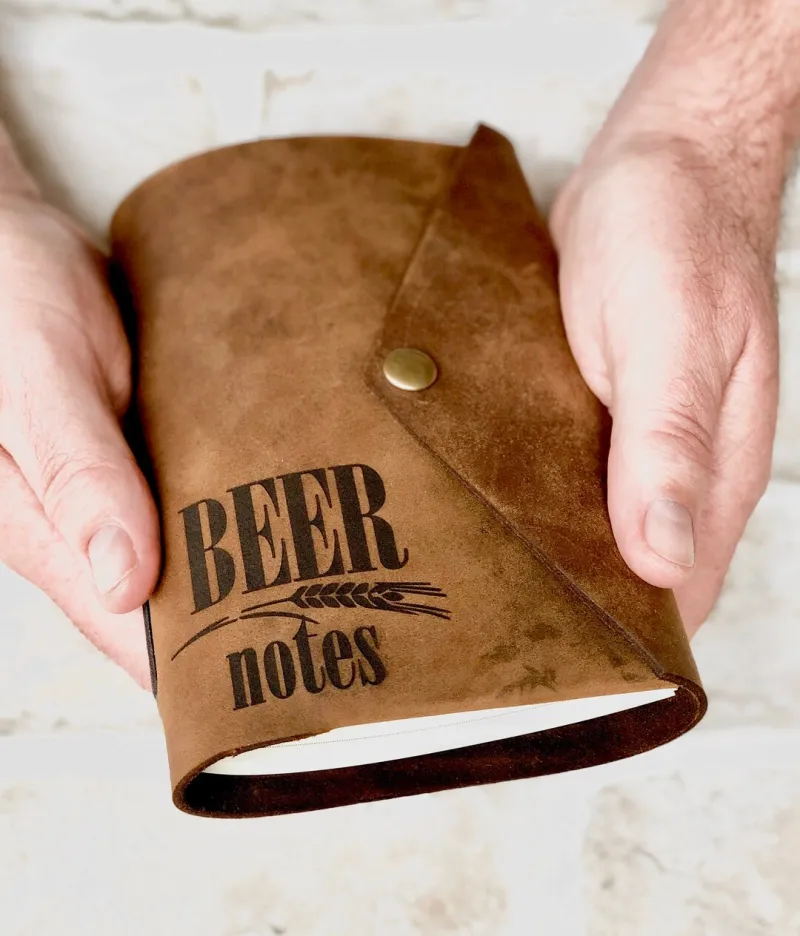
Photo: person tasting craft beer at taproom with notebook journal, via i.etsystatic.com
Somewhere along the way, craft beer got complicated. There are apps that rank every pour on a hundred-point scale, online forums where strangers debate whether a hazy IPA deserves four stars or four-and-a-half, and influencers who'll tell you exactly what you should be drinking this season. It's a lot of noise for something that's supposed to be enjoyable.
Here's a different idea: forget all of it, at least for a while. The most interesting beer journey you'll ever take is the one you map yourself, one honest sip at a time.
We've watched hundreds of people walk through our taproom doors over the years—some of them confident, some of them totally overwhelmed. The ones who end up with the most satisfying relationship with craft beer? They're rarely the ones who arrived clutching a list of "must-tries." They're the ones who stayed curious, asked questions, and paid attention to their own reactions.
This is a guide for those people. And honestly, it's for everyone else too.
Start With What You Already Know You Like
Before you can explore new territory, it helps to know where you're standing. Think about the flavors you gravitate toward in everyday life—not just in beer, but across the board. Do you take your coffee black and bitter, or loaded with cream and sugar? Do you reach for dark chocolate or milk chocolate? Are you the person who squeezes extra lemon on everything, or do you shy away from anything too tart?
These preferences aren't random. They're a map of your palate, and they translate directly into beer.
Bitter coffee drinkers often find themselves drawn to stouts, porters, and roasty ambers. People who love bright, citrusy flavors tend to click with wheat beers and certain IPAs. If you're someone who appreciates a dry, crisp finish—think a good sparkling water or a dry white wine—a well-crafted lager or pilsner might be the most satisfying thing you've had in years.
This isn't a formula. It's a starting point.
The Three-Question Tasting Method
You don't need a tasting sheet or a flavor wheel to get something useful out of a new beer. You just need three honest questions, asked in order:
1. What's my first impression? Before you analyze anything, just notice your gut reaction. Did you lean in or pull back? Did it surprise you? First impressions are data. They're not final verdicts, but they're worth noting.
2. What's happening in the middle? After that initial hit, what does the beer do as it settles on your palate? This is where most of the interesting stuff lives—sweetness, body, fruit, spice, earthiness. Try to name at least one thing you're tasting, even if the word feels imprecise. "Kind of like caramel" is a perfectly valid tasting note.
3. How does it finish? The finish is what lingers after you swallow, and it tells you a lot about whether you actually enjoyed the beer or just tolerated it. A long, warm finish on a barrel-aged stout is very different from a clean, quick finish on a summer wheat. Neither is better—they just suit different moods and moments.
That's it. Three questions, no jargon required.
Keep a Beer Journal (Seriously, It Works)
This might sound like overkill, but hear us out. You don't have to write essays. Even a few words scrawled in the notes app on your phone can be surprisingly useful over time.
Note the beer name, the style, where you drank it, and one or two words about what stood out. Over the course of a few months, patterns will emerge. You'll notice that you consistently love beers with a certain kind of dry finish, or that you always struggle with anything too aggressively hopped. You'll start to recognize your own preferences before someone else tells you what they should be.
A few things worth capturing beyond just flavor:
- What you were eating at the time (food changes everything)
- The season or time of day
- Your general mood or setting
That last one matters more than people realize. A rich, boozy imperial stout hits differently on a cold January evening than it does at a sunny afternoon barbecue. Context is part of the experience.
Let the Seasons Do Some of the Work
One of the things we love most about brewing on the Central Coast is how naturally the seasons guide what we want to make—and what people want to drink. There's a real rhythm to it that gets lost when you're just chasing ratings.
In the warmer months, lighter and brighter tends to win out. Crisp lagers, citrus-forward wheats, session ales that don't weigh you down. As the weather cools and the harvest comes in, the appetite shifts toward something with more weight—amber ales, darker malts, beers with a little more complexity and warmth.
If you're building your own beer journey, try syncing it to that rhythm. Drink seasonally, the same way you might eat seasonally. It gives your exploration a natural structure and helps you understand how the same style can feel completely different depending on when you're drinking it.
How to Order Confidently at a Taproom
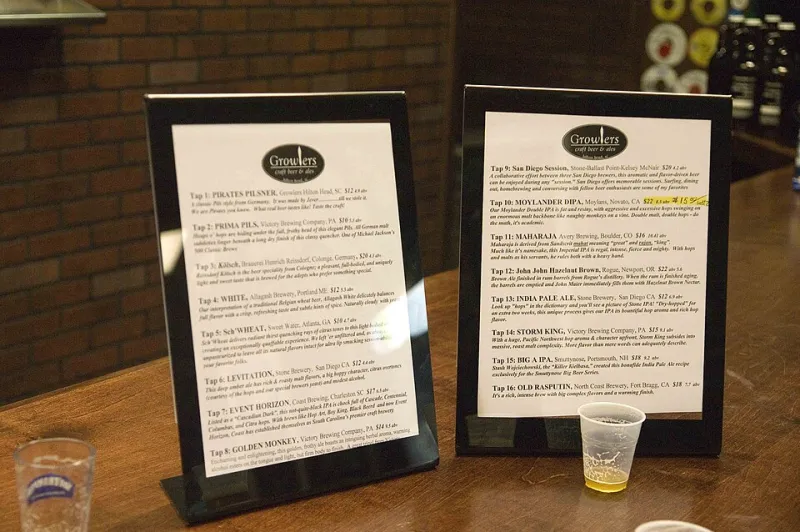
One thing that holds a lot of people back is feeling like they don't know enough to order without embarrassing themselves. Here's the truth: the people behind a good taproom bar genuinely want to help you find something you'll love. That's the whole point.
But if you want to make the conversation easier, come in with one of these:
- A style you've liked before
- A flavor you're in the mood for ("something crisp" or "something with a little sweetness")
- A beer you've tried recently that you either loved or hated
Any of those three things gives a knowledgeable bartender enough to work with. You don't need to know the difference between a West Coast and a New England IPA to have a great conversation about what to try next.
The Only Rule That Actually Matters
At the end of the day, developing a beer palate isn't about accumulating knowledge or building credentials. It's about paying attention—to what's in your glass, to how it makes you feel, and to the honest reactions that happen before your brain gets involved.
The craft beer world is full of opinions. Some of them are worth listening to. But the one that matters most is the one you form yourself, after a slow, thoughtful sip, in whatever moment you're in.
Your palate is yours. Trust it.