Uncharted Pints: The Explorer's Spirit Behind Our Limited Release Beers
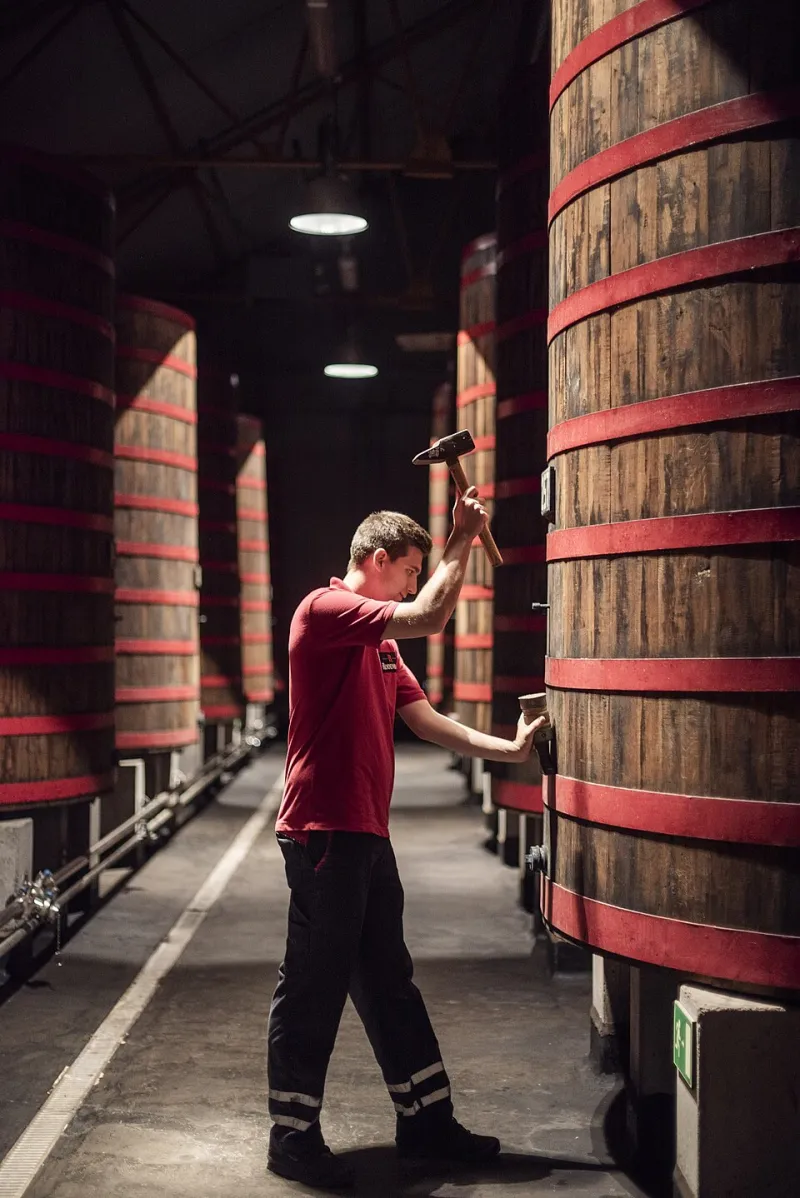
Photo: Femke Den Hollander, CC BY-SA 4.0, via Wikimedia Commons
There's a certain kind of courage it takes to sail toward a horizon you've never seen. No GPS, no guarantee of what's on the other side — just a crew, a vessel, and a stubborn belief that discovery is worth the risk. That ethos lives at the heart of everything we do at Santa Maria Brewing Co., and nowhere does it show up more honestly than in our limited release series.
These aren't your everyday taproom pours. They're experiments. Bets. Sometimes they're masterstrokes, and occasionally they're lessons we file away for next time. Either way, they're always intentional — and they're always inspired by the same restless spirit that sent explorers across open water centuries ago.
Why a Brewery Named After a Ship Takes Its Cues from History
If you've spent any time with us, you know the name Santa Maria carries weight. The flagship of Columbus's 1492 fleet wasn't the biggest ship or the fastest — but it led the way. It was the vessel that committed to the unknown. We borrowed that symbolism on purpose.
When our head brewer, Marco, talks about the limited release program, he doesn't start with ingredients. He starts with intention. "Every time we kick off a new experimental batch, I think about what it actually meant to point a ship at open water," he says, leaning against the fermentation tanks in our back brewery. "You've done your homework, you've got your best instincts guiding you, but at some point you just have to commit. Brewing is the same way."
That philosophy shapes the creative process from day one.
Mapping the Flavor Territory Before We Brew a Drop
Before a single grain gets milled, Marco and the team spend serious time in what they call the "chart room" — which is really just a whiteboard-covered corner of the brewery that looks like a detective's evidence wall. Flavor maps, ingredient combinations, fermentation variables, seasonal availability from our Central Coast farm partners — it all goes up on the board.
The goal isn't to recreate something familiar. The goal is to find territory that hasn't been explored yet, at least not by us.
"We'll ask ourselves, what's the edge of what we know?" Marco explains. "Maybe it's a hop variety we've never used, or a local ingredient we've been curious about — fig from the valley, or roasted yerba santa. Then we start asking what happens if we pair that with a base style we're comfortable with and push one variable way out past the comfort zone."
Some of those combinations sound strange on paper. A few of them are strange on paper. But that's exactly the point.
The Crew Makes the Voyage
No explorer made history alone, and Marco is quick to point that out. The limited release series is genuinely collaborative — input comes from the whole brewing team, the taproom staff, and sometimes even regulars who've earned a seat at the tasting table through years of honest feedback.
"I want people who are going to tell me the truth," Marco says. "Not 'this is interesting.' I want to know if it's actually good. If it's not landing, we need to know before it goes on tap."
That feedback loop is part of what keeps the experimental program grounded. The voyager spirit doesn't mean reckless — it means calculated bravery. You study the currents, you watch the weather, and then you make your move.
Seasonal Ingredients as Compass Points
One of the things that makes our limited releases feel distinctly Central Coast is how tightly they're tied to what's growing around us at any given moment. The Santa Maria Valley's agricultural calendar essentially sets the schedule for what's possible.
In late summer, stone fruit from local farms finds its way into farmhouse ales and sour-adjacent experiments. Come fall, roasted grains get layered with ingredients that echo the smoke and depth of a Santa Maria-style barbecue. Winter brings darker, warmer territory — stouts that take their time, barrel-aged releases that have been quietly developing since the previous year.
"The seasons are like the trade winds," Marco says, and he's not being poetic for the sake of it. "They tell you which direction to sail. You work with them, not against them."
This seasonal rhythm also means limited releases are genuinely limited. When the ingredient window closes, the beer is done. That scarcity isn't a marketing tactic — it's just the reality of brewing with fresh, local, time-sensitive ingredients.
When the Voyage Doesn't Go as Planned
Not every expedition returns with treasure. Some of our experimental batches have taught us more than our best sellers ever did. A barrel-aged sour that over-attenuated. A hoppy wheat that pushed its dry-hop addition a few days too far. A smoked porter that was genuinely polarizing — about half the taproom loved it, half politely moved on.
Marco keeps notes on all of it. "The ones that didn't quite work are the most valuable," he says. "Columbus didn't map a perfect route on the first try. You log what you learned and you adjust for the next voyage."
That transparency is something we try to carry into the taproom too. When a limited release is experimental, we say so. Our staff will tell you what we were going for, what we think we hit, and where you might find it surprising. Part of the fun is being in on the experiment.
How to Find Your Next Adventure
Limited releases rotate through the taproom as they're ready — no fixed calendar, because the brewing process doesn't work on a fixed calendar. The best way to stay in the loop is to follow us on social, sign up for our newsletter, or just stop in and ask what's new on the board.
When you see a limited release on tap, treat it like what it is: a one-time voyage. It won't be back exactly the same way. The next batch, if there is one, will have its own character, its own story, its own small deviations from the map.
That's not a flaw in the system. That's the whole point.
So next time you're sitting at the bar and Marco slides a small pour of something unnamed and experimental across the wood, lean in. Ask what's in it. Ask what they were trying to do. And then take the trip.
Some of the best discoveries start exactly that way.