From the Garage to the Tap Wall: When a Homebrew Earns Its Way Onto Our Tap List
There's a moment every homebrewer knows. The one where you crack a bottle of something you made in your garage, and for the first time, you think: this could actually be a real beer.
At Santa Maria Brewing Co., we take that moment seriously. Some of the most memorable beers we've ever poured started as five-gallon batches brewed on borrowed equipment, and we've built a tradition of opening our tap wall to the homebrewers in our community. Here's what that journey actually looks like — the good, the messy, and the math-heavy.
Every Great Beer Starts Small
Take the story of Miguel, a Santa Maria HVAC tech who spent two years perfecting a hazy IPA in his garage off Broadway. His secret wasn't exotic hops or fancy gear — it was obsession with water chemistry and a willingness to dump bad batches without regret. When we scaled his recipe to thirty barrels, the hop character held up beautifully. The water chemistry? That took some doing.
Or Dana, whose smoked amber — inspired by the red oak smoke of a proper Santa Maria barbecue — won our annual homebrew competition three years running. It's still one of our most requested seasonal pours.
These aren't unicorns. They're people who paid attention, took notes, and brewed the same beer twenty times until they knew it cold.
What Actually Changes at Scale
Here's the part nobody tells you: your recipe is maybe half the beer. The rest is process, and process changes dramatically when you go from five gallons to five hundred.
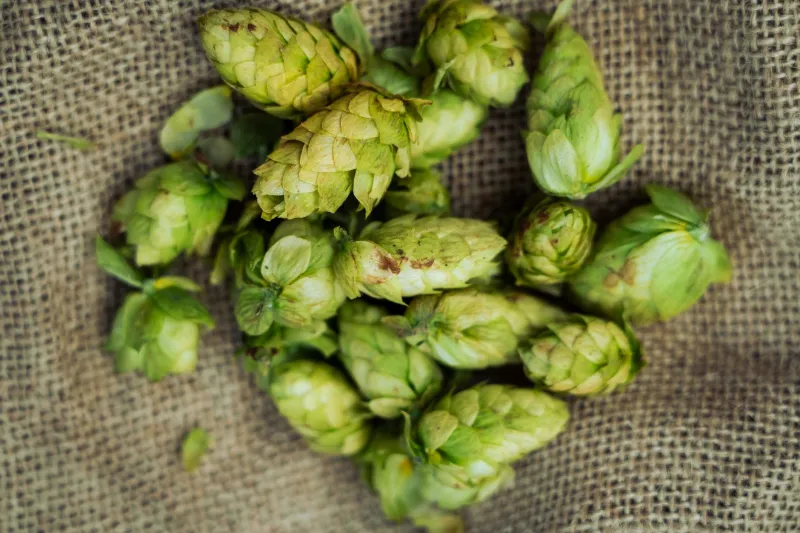
Hop utilization shifts. Bigger kettles mean deeper whirlpools and different extraction dynamics. A hop bill that sang in your kitchen can come across muted or, occasionally, harsher at commercial volume. Pro brewers almost always adjust late-addition hops upward.
Boil intensity and evaporation matter. Home systems evaporate aggressively; big systems barely at all. That changes your gravity, your color, your everything.
Fermentation is a different animal. Yeast doesn't behave the same in a conical unitank as it does in a glass carboy. Temperature gradients, pressure, pitch rates — all of it needs recalculating.
Consistency replaces novelty. The hardest mental shift for homebrewers: you can't just make this batch great. You have to make batch seven taste like batch one, six months from now.
The Pitfalls We See Most
When we review homebrew submissions, the same issues show up again and again:
- Sanitation shortcuts — wild yeast and bacteria that hide at small volumes become glaring at scale
- Overly complex grain bills — five specialty malts usually taste muddier than two
- Recipes built to hide flaws — if you need three pounds of oats to mask an astringency problem, fix the problem
- No notes — if you can't tell us your water pH and fermentation temps, we can't reproduce your beer
The Dreaming-of-Pro Checklist
If you're a homebrewer eyeing the tap wall, here's what we look for:
- One style, nailed repeatedly. Show us the same beer brewed three times, tasting identical.
- Complete brewing notes. Water profile, gravity readings, fermentation logs.
- A beer that fits our menu. A barrel-aged imperial stout is impressive; a crisp lager or a hoppy pale that pairs with tri-tip is what we can actually sell.
- Thick skin. We will give you feedback. Take it.
- Patience. The path from homebrew competition to commercial release usually takes a year or more. That's not gatekeeping — that's quality control.
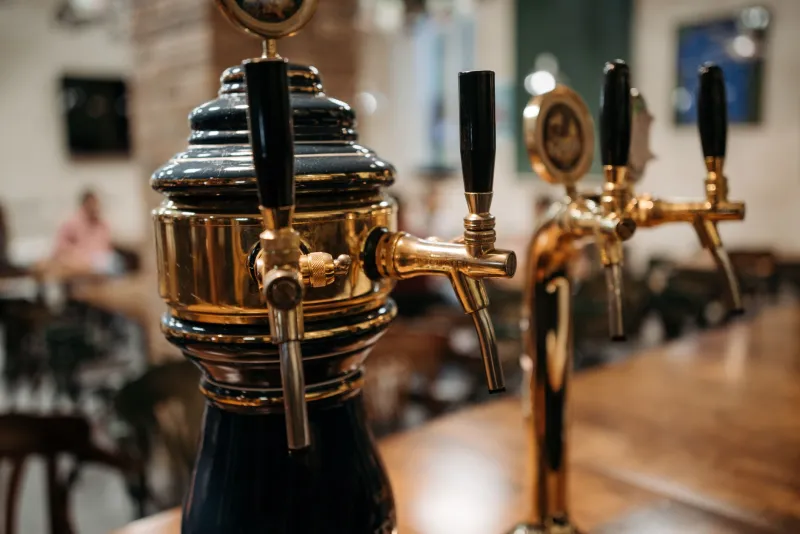
Bring us your best pint. Worst case, you get honest feedback and a beer with a friend. Best case, we're cleaning a tap handle with your name on it.