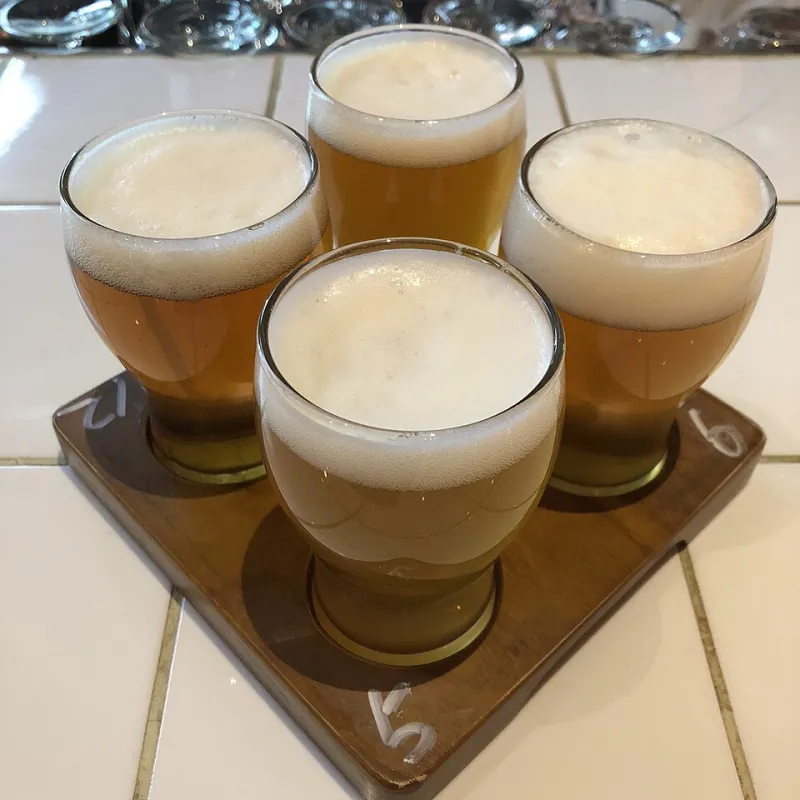
Tasting the Land: How the Central Coast's Soul Ends Up in Every Pint We Pour
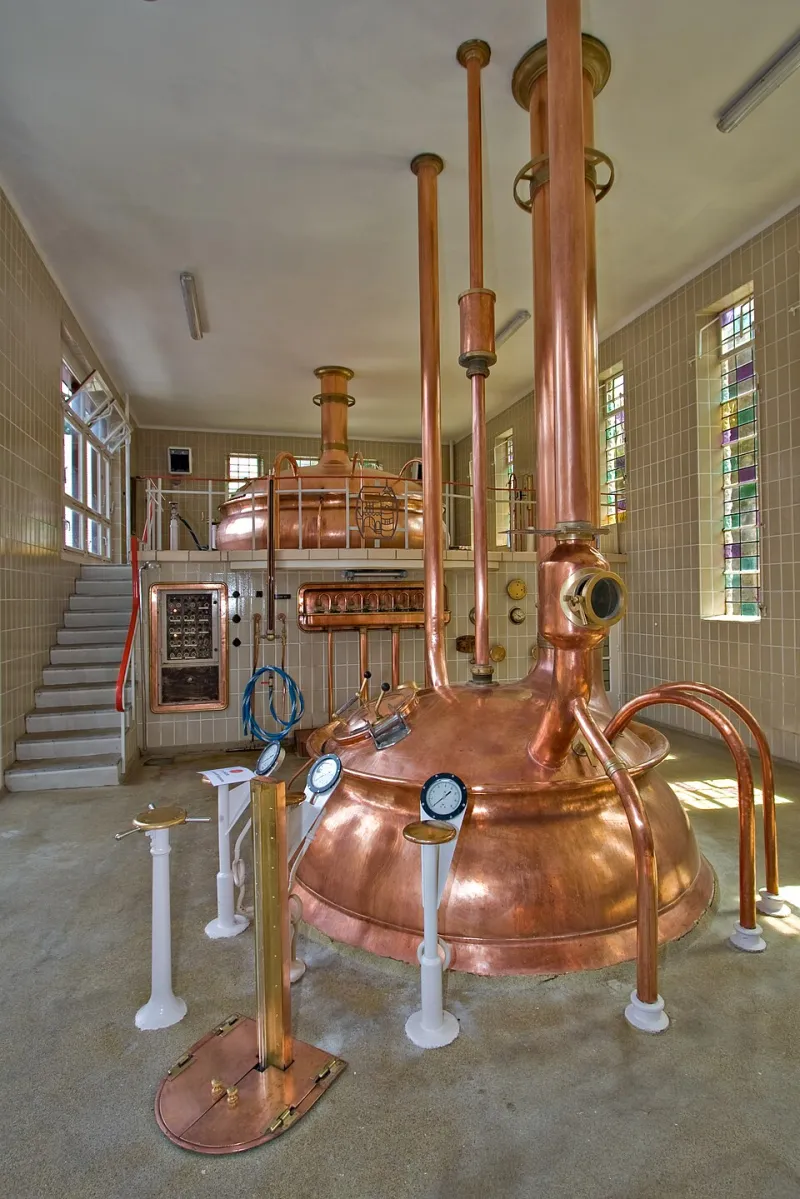
Photo: Luca Galuzzi (Lucag), CC BY-SA 2.5, via Wikimedia Commons
When most people think about terroir, wine country comes to mind. Rolling vineyards, coastal breezes, the particular way afternoon fog rolls in off the Pacific and softens the heat of a California afternoon. But here at Santa Maria Brewing Co., we've been asking a different question for years: what if beer could carry that same sense of place?
Turns out, it absolutely can.
What Terroir Actually Means for a Craft Brewery
The word "terroir" is borrowed from French winemaking, and it loosely translates to "a sense of place." For vintners, it captures how geography, climate, and soil composition work together to give a wine its distinct personality. For us, it means something similar — but filtered through a brewer's lens.
Our head brewer, Marco Delgado, puts it plainly: "Every decision we make about ingredients is really a decision about where we're from. The water we use, the hops we source, even the yeast strains we favor — all of it connects back to this valley."
And that's not just marketing talk. The Santa Maria Valley sits at a unique crossroads of climate zones. The transverse mountain ranges that run east-west — unusual for California — funnel cool Pacific air directly inland, creating one of the most distinctive growing environments on the West Coast. What makes local wine grapes thrive here is the same thing that makes locally sourced barley and fresh-hop additions from nearby farms taste different than anything you'd grow a hundred miles north.
Water: The Ingredient Nobody Talks About
If you ask any brewer what the most underappreciated ingredient in beer is, the answer is almost always water. It makes up more than 90% of what's in your glass, and its mineral composition directly affects hop bitterness, malt sweetness, and overall mouthfeel.
Santa Maria's water supply draws from a groundwater basin fed by the Santa Maria River system — water that's been filtered naturally through layers of sediment laid down over thousands of years. It's notably soft compared to many other California regions, which is part of why our lighter lagers and wheat beers have such a clean, refreshing finish. We do make targeted mineral adjustments depending on the style we're brewing, but we always start from what the land gives us.
"When I first tested our source water and compared it to what I'd been working with in other states, I knew immediately that this place was going to be special for brewing," Marco says. "Soft water like this is a gift for certain styles. You're not fighting the water — you're working with it."
Local Hops, Local Story
One of the most exciting developments in our recent brewing history has been deepening relationships with hop growers in the region. While the Pacific Northwest still dominates U.S. hop production, there's a quiet but growing movement of small-scale hop yards up and down the California coast.
We partner with two family-run farms within a two-hour drive of our brewery. Every fall, we do a fresh-hop brew — sometimes two — using cones harvested and delivered within 24 hours of picking. The difference is remarkable. Fresh hops carry a vibrancy and a green, almost grassy complexity that pelletized hops simply can't replicate. Our annual Fresh Hop Harvest Ale has become one of our most anticipated seasonal releases, and it's entirely a product of this landscape.
"Fresh hops are one of those things you have to experience to understand," says assistant brewer Tina Ramirez. "When you smell those bags coming off the truck, still warm from the field, it smells like the end of summer. And somehow, that smell makes it into the beer."
Agricultural Heritage on Tap
Santa Maria is agricultural country. The valley has been feeding California — and much of the nation — for generations. Strawberries, wine grapes, broccoli, lettuce, and dozens of other crops thrive here. That agricultural identity runs deep in the community, and it runs through our taproom menu.
We've collaborated with local farms to incorporate regionally grown ingredients into specialty releases. A recent strawberry wheat ale used fruit sourced from a farm less than 15 miles away. Our seasonal pumpkin ale features locally grown sugar pumpkins from a family operation in the valley. These aren't gimmicks — they're genuine expressions of what grows here, translated into liquid form.
We also participate in the Santa Maria Certified Farmers Market, where we occasionally pour samples and connect with the growers who supply our specialty ingredients. Those relationships matter to us. When a farmer tells you about the season they had — the late frost that stressed the strawberries and made them sweeter, or the dry spell that concentrated the hop oils — that knowledge changes how you brew.
The Beers That Tell Our Story Best
If you want to understand our brewing philosophy in a single flight, we'd recommend starting with three specific beers.
Valley Fog Kölsch — Inspired directly by the marine layer that blankets Santa Maria mornings from May through July, this crisp, delicate ale is brewed with soft local water and a restrained hop presence. It's meant to taste like a cool morning before the sun burns through.
Rancho Rojo Amber Ale — Named for the ranchland heritage of the Santa Maria Valley, this malt-forward amber uses a blend of domestic and specialty malts to build a layered, caramel-kissed body that nods to the region's cattle-ranching roots.
Harvest Table IPA — Our flagship IPA shifts slightly each year based on hop availability from our local farm partners. That variability is intentional. We want this beer to reflect the season it was brewed in, not a static recipe designed for consistency at the expense of character.
Why Local Pride Isn't Just a Slogan
It would be easy to slap "locally inspired" on a label and call it a day. We've tried hard not to do that. Every claim we make about regional ingredients and local sourcing is something we can back up with a farm name, a GPS coordinate, or a handshake with the person who grew it.
That accountability keeps us honest. It also keeps us curious. When you're tied to a specific place and its growing seasons, you can't just phone it in. The land changes year to year, and so do we.
At the end of the day, we make beer for the people of the Central Coast — for the folks who know what a Santa Maria-style barbecue smells like, who've driven Foxen Canyon Road in the late afternoon light, and who understand that this valley is something genuinely special. Every batch we brew is our attempt to honor that.
Come taste the land with us. We think you'll recognize something familiar in every sip.